
- Jan 27, 2021
- 4,443
- 5,912
- Thread starter
- #21
She wanted to but feels she has no option but to go back to training.Did she retire?
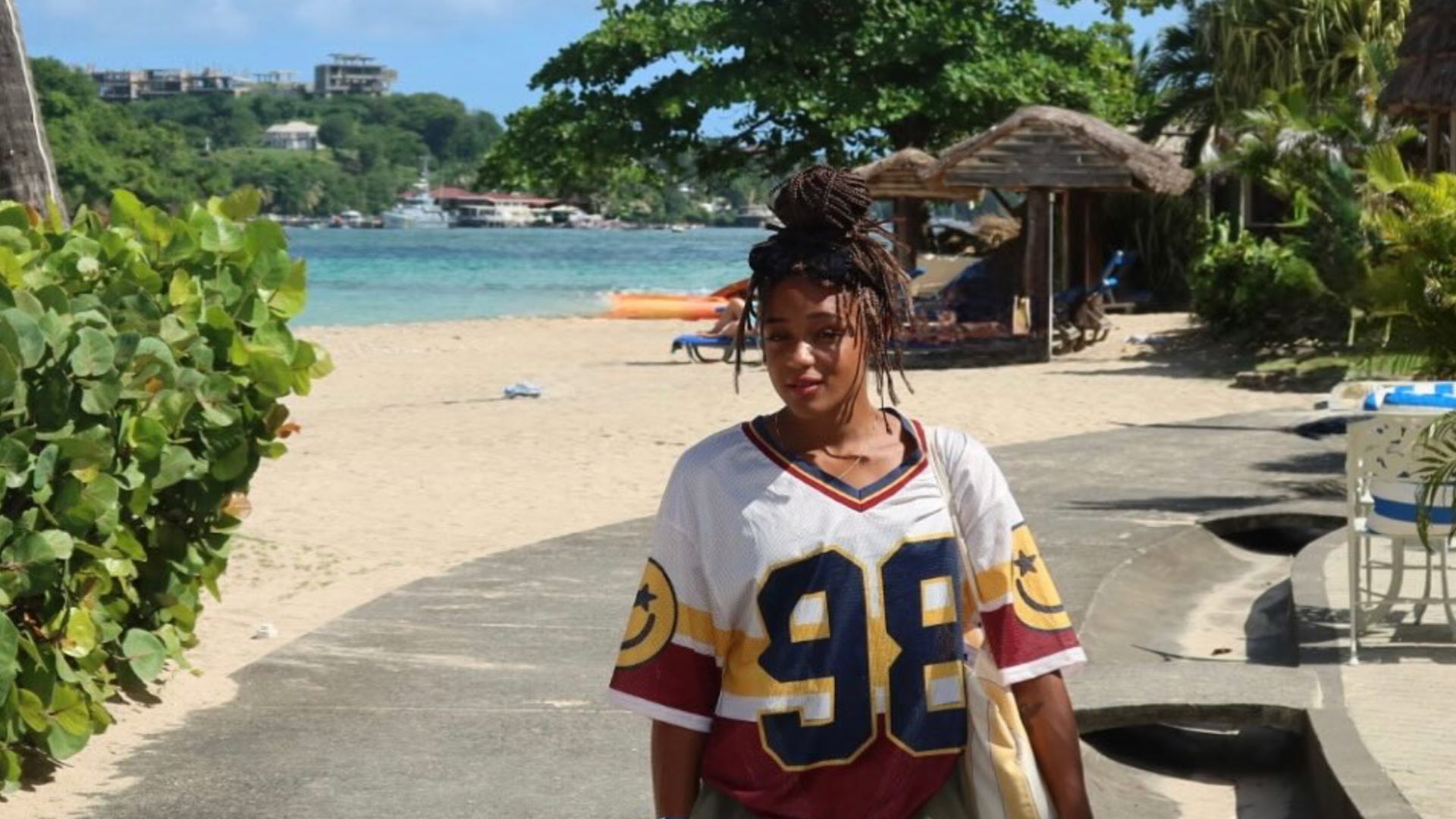
After the Olympics, this champion speaks out about her financial struggles: internet users react strongly.
Gymnast Mélanie De Jesus Dos Santos struggling after the Olympics: confessions about her precarious situation and her forced return to gymnastics.
 www.ma-grande-taille.com
“Living with her parents due to a lack of funds for an apartment, she works as an employee at Crégym Martinique to support herself, emphasizing that "gymnastics is not a professional sport, you have to win to earn money" .
Initially determined never to touch an apparatus again after Paris – "I hadn't set foot in a gym since,"she said in June on the French television program C à Vous – the champion finds herself forced to return: "Even if I don't want to go back to gymnastics, what am I going to do? I've never worked, I don't know the normal world." At 25, without a degree or professional experience, Mélanie De Jesus Dos Santos is forcing herself to do what she knows, regretting the lack of post-Olympic federal support that could have eased the transition.
The RTL video has exploded in views, generating a wave of solidarity for this "cry for help" regarding the precarious situation of non-professional athletes, often forgotten after the Olympic spotlight. Haters have also reacted angrily: "Delusional," "We're not going to feel sorry for her, she's young, she should go back to school," "Didn't your parents tell you not to bet everything on a sport that doesn't pay?" This backlash reveals the societal tensions surrounding women's sports and the life choices of athletes, which are often overlooked despite the family and personal sacrifices they make.
This testimony highlights a structural problem: the end of sponsorships after the Games, the lack of a safety net, and the accumulated mental pressure. Mélanie De Jesus Dos Santos implicitly calls for better federal and societal support for athletes at the "end of their cycle," transforming her struggle into a national debate on the value of elite amateur sport.
Through Mélanie De Jesus Dos Santos's story, the vulnerability of elite sport is laid bare: behind the excellence, the discipline, and the medals lie fragile trajectories, dependent on results and media visibility. Her testimony, far from being an isolated case, reminds us that many athletes operate within an uncertain economic model, where sporting recognition guarantees neither financial stability nor a smooth transition to a new career. The wave of emotion—ranging from empathy to incomprehension—sparked on social media underscores the urgent need to rethink the status of French athletes.


